

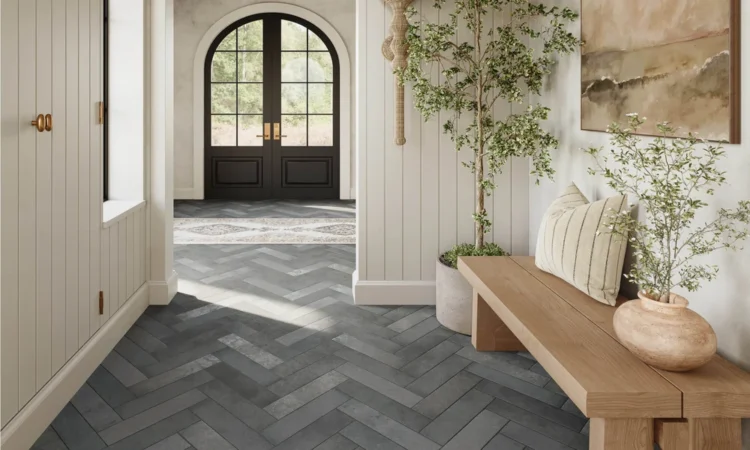

Tile design has evolved from simple monochromatic squares to a landscape of vibrant colors, bold patterns, and tactile finishes. The challenge? Blending these elements so they feel curated rather than chaotic. Whether you are revamping a bathroom or designing a grand entryway, understanding how to harmonize tile patterns and textures is key to creating a space that feels both intentional and inviting.
Early Approaches to Tile Patterns and Textures
In the early days of interior design, tile options were limited. Matching the floor to the walls meant choosing the same size, finish, and color for every surface. Symmetry and repetition ruled, with little room for creative mixing.
Traditional Tile Matching Techniques
Designers traditionally relied on straightforward techniques: pairing glossy white subway tiles with smaller black borders, or running a single color from floor to ceiling. Textures were minimal, often dictated by the natural finish of the material.
Limitations of Early Design Styles
This uniformity, while safe, often led to uninspired spaces. The lack of textural contrast meant rooms could feel flat, their personalities muted by predictability.
The Rise of Texture Diversity in Tiles
Fast forward to today, and the range of finishes is staggering. Glossy, matte, carved, and stone-inspired tiles sit side by side on showroom floors.
Introduction of Glossy, Matt, and Carved Finishes
Glossy tiles catch the light, bouncing reflections across a room. Matte finishes, in contrast, add sophistication and soften the glare. Carved or textured tiles bring tactile interest, inviting touch and creating shadows that change with the sun’s angle.
Combining Natural Stone and Porcelain Textures
It’s common to see porcelain tiles mimicking the grains of wood or the veins of marble. Mixing these with real stone tiles adds depth and variety, but demands a keen eye for balance.
Impact on Visual and Tactile Experiences
The interplay of finishes transforms spaces, making them feel layered and dynamic. Smooth tiles can frame rougher, stone-like ones, guiding the eye and breaking up flat surfaces.
Evolution of Pattern Mixing Strategies
Pattern mixing has become a signature of modern tile design, but it’s not a free-for-all.
From Uniform Patterns to Eclectic Combinations
Designers now combine geometric motifs with organic, flowing lines. A herringbone floor might be paired with a floral wall tile, provided there’s a unifying element, be it color, material, or scale.
The Influence of Subway and Wooden Strip Tiles
Subway tiles offer a timeless base, while wooden strip tiles introduce warmth and linear movement. Together, they can make a space feel contemporary without overwhelming it.
Balancing Bold Patterns with Subtle Textures
The secret is restraint. Pairing an intricate pattern with a subtle, matte background creates hierarchy, ensuring the room feels harmonious rather than busy.
Color Coordination Through the Ages
Color has always played a crucial role in tile design, evolving from safe neutrals to bold statements.
Classic Monochrome and Neutral Palettes
Whites, greys, and beiges remain popular for their versatility. They create a calm backdrop, making it easy to layer in patterned or textured elements.
Integrating Bold Colors like Blue, Red, and Orange
Contemporary spaces embrace jewel tones and vibrant hues. Using a pop of color on a single wall or as an accent in patterned flooring can energize a space without overpowering it.
Using Color to Unify Diverse Patterns and Textures
Choosing a consistent color palette allows for greater freedom with patterns and textures. For example, mixing stone and porcelain tiles in various shapes works best when the colors are thoughtfully curated.
Size and Scale: Changing Perspectives
Tile sizing has gone from predictable to playful.
Traditional Tile Sizes and Their Uses
A few decades ago, 12″x12″ and 4″x4″ tiles dominated both floors and walls. Their predictability lent itself to grid-like layouts.
Modern Large Format Tiles: 24″x48″ and Beyond
Today, oversized tiles minimize grout lines and create a sense of expansiveness. These work especially well in open-plan spaces or to visually “stretch” small rooms.
Mixing Sizes to Enhance Depth and Interest
Combining large and small tiles can define zones within a room, frame focal points, or introduce a sense of rhythm.
Modern Techniques for Creating Cohesive Looks
How do designers avoid visual overload? Through careful layering and repetition.
Layering Patterns Without Overwhelming the Space
Start with a feature element, perhaps a patterned backsplash, and keep the surrounding tiles neutral. This ensures the eye has places to rest.
Harmonizing Texture Contrasts for Balance
Glossy tiles can highlight areas like shower niches, while matte or rough finishes add grounding and warmth. The contrast should feel deliberate, not accidental.
Using Repetition and Rhythm in Tile Layouts
Repetition of a shape, color, or finish, no matter how subtle, ties disparate elements together, creating a cohesive narrative.
Tools and Trends Shaping Current Tile Design
Technology and innovation are driving the next wave of tile creativity.
Digital Visualization and Sample Testing
Designers increasingly use visualization tools to experiment with patterns and colors before installation. This minimizes costly mistakes and encourages bold choices.
Emerging Trends: Designer Porcelain and 3D Tiles
Porcelain tiles now come in designer finishes that mimic everything from terrazzo to carved stone. 3D tiles add sculptural interest, casting beautiful shadows and adding dimension to feature walls.
Sustainability and Material Innovation
Eco-friendly tiles made from recycled materials are gaining ground, offering beauty with a conscience.
Future Directions in Tile Pattern and Texture Matching
Where is tile design headed next?
Predicting New Materials and Finishes
Expect to see advances in digital printing and sustainable manufacturing, resulting in hyper-realistic textures and eco-conscious materials.
The Role of Smart Tiles and Interactive Surfaces
Interactive tiles with embedded LED lights or responsive finishes will likely become more accessible, allowing homeowners to customize their spaces in real time.
Evolving Aesthetic Preferences and Customization Options
Personalization will remain at the forefront, with homeowners seeking tiles that reflect their individual taste while ensuring timeless appeal.
For those navigating this ever-expanding world of options, resources like Club Ceramic tiles showcase the full spectrum of patterns, textures, and finishes available today. Whether you are drawn to classic stone, bold designer porcelain, or innovative 3D surfaces, the key lies in thoughtful selection and confident mixing. The result? Spaces that feel as seamless as they are striking.