

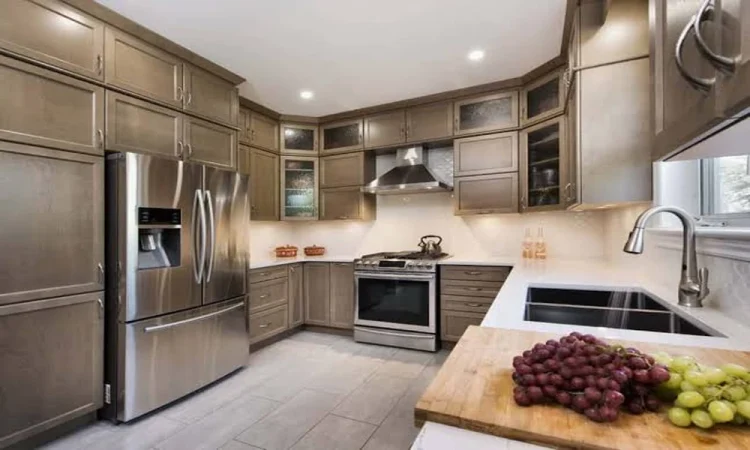

A dream kitchen is rarely just about shiny countertops or the right wall color. Cabinets have an outsized impact not only on daily functionality but also on overall atmosphere. The unsung heroes of durability and design are hidden in the choices of panel style and wood species, a detail that homeowners often overlook until it’s too late.
How Panel Designs Influence Kitchen Cabinet Durability
Choosing between a raised panel, a Shaker, or a sleek slab isn’t merely a question of taste. The construction method behind each style can determine how well cabinets handle years of opening, closing, and accidental bumps.
Raised Panels vs. Shaker Panels: Structural Strength Comparison
Raised panels, especially those constructed from solid wood, create a thick central section surrounded by a frame. The result is greater resistance to warping and cracking, making them a favorite in more traditional or high-traffic kitchens. Shaker panels, by contrast, center on a recessed flat piece and a sturdy frame, offering minimalist appeal but also surprising structural dependability due to their simplicity and thick framing.
Slab and Flat Panels: Durability in Modern Styles
Modern flat panels or slab doors, seen in collections like Milano White, embrace minimalism with a single, flat surface. When made with high-quality laminates or dense engineered cores, they can be remarkably resilient. However, cheaper versions are susceptible to chipping and visible wear, making material choice critical for longevity.
The Role of Panel Thickness and Construction Techniques
Thicker panels tend to resist warping over time, especially in environments with fluctuating humidity. Quality joinery, such as mortise-and-tenon or dovetail construction, can significantly enhance a cabinet’s lifespan, a detail often found in premium collections or solid wood designs.
Overlay Types and Their Impact on Cabinet Longevity
Overlay refers to how the cabinet door sits against the frame. Full overlay doors, which entirely cover the cabinet face, protect frame edges from wear and offer a seamless look. Reveal overlays, on the other hand, leave more of the frame exposed. While visually interesting, they are more prone to edge dings, especially in busy kitchens.
Exploring Wood Species and Material Choices
The species or material used for cabinet panels isn’t just about looks. Each comes with unique strengths and weaknesses that play out over years of use.
Birch Cabinets: Balancing Beauty and Resilience
Birch is a mainstay in many collections for good reason. It’s harder than pine, less expensive than maple, and takes paint and stains beautifully. Birch’s tight grain means fewer surface imperfections and reliable moisture resistance, making it a safe bet for both Shaker and raised panel designs.
Thermofoil and Laminates: Synthetic vs. Natural Durability
Thermofoil (as in Milano White) and laminate finishes create a wipe-clean surface bonded to MDF or particle board. These offer excellent resistance to stains and moisture, though they may peel or chip if exposed to excessive heat or humidity. Still, for modern homes seeking a glossy, uniform look, high-quality laminates stand up well to daily life.
MDF, HDF, and MFC Boards: Cost-Effective Alternatives or Compromises?
Engineered woods like MDF (medium-density fiberboard), HDF (high-density fiberboard), and MFC (melamine-faced chipboard) offer cost savings and consistency. While they resist warping better than solid wood in some conditions, they can be vulnerable to water damage. MFC covered in ABS or melamine laminate, as seen in Grand Matte Jet Black or Classic collections, strikes a balance between affordability and durability.
Solid Wood Options: Oak, Birch, and Exotic Species Compared
Solid oak cabinets, like those in the Country collection, are almost unmatched in durability and can last decades if properly sealed. Birch offers a slightly lighter, more subtle grain, while exotic woods, though stylish, often demand higher price points and more specific care.
Style Implications of Panel Design and Species Selection
Cabinet style isn’t only about pictures in a catalog. The choice of panel profile and wood species sets the emotional tone for the room.
Traditional raised panels in rich oak or birch exude classic elegance and warmth. Shaker panels, especially in painted birch, channel a timeless minimalism that adapts to both rustic and modern settings. Slab panels in glossy laminate signal sleek, contemporary ambitions, complementing stainless appliances and bold color choices. The species matters too; fine-grained birch emphasizes cleanliness, while oak’s pronounced lines add texture and authenticity.
Comparative Case Studies of Popular Kitchen Collections
Let’s break down how real-world choices play out in curated lines:
| Collection | Overlay Type | Panel Style | Species/Material | Durability Highlights | Style Notes |
|————————|—————|—————–|————————————–|—————————|——————————-|
| Elegant/Fashion | Full Overlay | Shaker | Birch | Strong, adaptable | Transitional, versatile |
| Luxor | Reveal | Shaker | Birch | Sturdy, exposed edges | Slightly more traditional |
| Milano White | Full Overlay | Slab | Thermofoil | Easy clean, avoid heat | Ultra-modern, seamless |
| Park Ave | Full Overlay | Raised Panel | Birch | Classic durability | Formal, traditional |
| Grand Matte Jet Black | Full Overlay | Flat Slab | MFC w/ABS Laminate | Scratch/moisture resistant| Bold, monochrome modern |
| Brentwood | Wood/Full | Raised Panel | Solid Wood, 5-piece, French Miter | Highest durability | Artisan, high-end classic |
This table shows that collections like kitchen cabinets from Kitchen Wholesalers offer an array of combinations, each with its unique balance of style and performance.
Maintenance and Longevity: Practical Considerations
Caring for cabinets starts with knowing their makeup. Painted birch and solid wood can handle gentle cleaners but dislike soaking or abrasive pads. Laminates and thermofoils prefer soft cloths and mild detergents. Moisture is the enemy of all engineered core materials; regular checks and quick repairs of chips or peeling prevent bigger headaches down the road. Repairability is highest with solid woods, while laminates and foils usually require full panel replacement if the outer layer is breached.
Making Your Choice: Matching Durability with Style Needs
A busy family kitchen with high humidity calls for full overlay, tightly-sealed birch or laminated panels. For showpiece kitchens or those prone to heavy wear, solid woods or high-end laminates are worth the investment. Budget matters, but so does long-term value: sometimes spending a little more upfront saves far more over the years. Ultimately, the smartest choices harmonize durability, style, and the realities of daily use, a balance that starts with understanding the impact of panel design and species selection.