

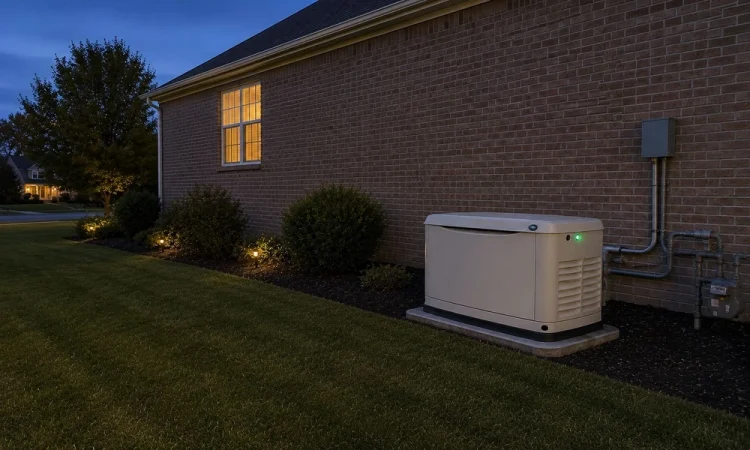
Northeast Ohio loses power for its own set of reasons. Lake effect snow loads tree limbs across Geauga, Lake and Ashtabula counties, summer windstorms drop lines in Trumbull and Portage, and rural feeders run long stretches through woodland before reaching a single home. How badly a property suffers during an outage depends less on the storm and more on what the building has to keep running: a sump pump, a well, a chest freezer, a production line or a lit parking lot. That is why backup power, and the wiring around it, makes more sense planned by property type than by generator size alone.
Matching the system to the building is everyday work for Villers Advanced Electric, a Middlefield contractor serving Northeast Ohio since 1987. As a certified Kohler dealer and installer, the team sizes and installs home and business generators, including whole house units paired with surge protection, and handles the residential, commercial and industrial wiring those units depend on. If your property has outgrown its outage plan, a free generator quote is a practical place to start.
The Code Baseline Every Property Shares
Ohio moved to the 2023 edition of the National Electrical Code in spring 2024, with commercial rules taking effect March 1 and residential rules, including Ohio amendments, following shortly after. The Ohio Board of Building Standards code resources list the current editions. A few requirements now shape almost every permanent generator job:
- One and two family homes need a generator emergency shutdown device outside the house, readily accessible and labeled for first responders.
- Those same homes need an outdoor emergency disconnect marked as such, with a directory plaque if the generator’s isolation point sits somewhere else.
- Generators larger than 15 kW at buildings other than dwellings need a remote emergency stop outside the enclosure.
- Conductors from the generator to the first overcurrent device must carry at least 115 percent of the nameplate current.
These rules apply on top of fuel, zoning and placement requirements, which vary by property.
Suburban Homes on Natural Gas
Gas supplied homes in places like Mentor, Chardon or Aurora are usually the simplest installs, but two details catch owners off guard. The first is the gas meter. A whole house generator can draw more fuel than the furnace, water heater and range combined, and the utility may need to upsize the meter before the unit can run at full load. The second is the electrical service itself. Older homes with 100 amp panels often need a service upgrade to accept an automatic transfer switch cleanly, and replacing a dwelling service triggers the NEC requirement for a surge protective device. Many owners treat that as a bonus, since a generator starting and stopping during utility flicker is exactly when sensitive electronics take hits.
Rural Homes on Wells, Septic and Propane
Out past the county roads, the priority list changes. A submersible well pump on a 240 volt circuit pulls a heavy surge on startup, and the generator must handle that inrush while the furnace blower, sump pump and refrigerator are already running. Aerobic septic systems add an aerator that should stay powered. Propane replaces utility gas, so tank size becomes part of the electrical decision: a small tank that looks fine on paper may last only a few days of continuous winter runtime.
Placement matters more in the snowbelt than most installation guides admit. Keep the unit clear of roof drip lines and drift zones, and make sure the exterior shutdown device stays reachable after a heavy snowfall. Permitting also differs by township. In Geauga County, the county building department’s permit and application page handles electrical permits from Chardon, and its residential requirements note that Middlefield Township does not issue zoning permits the way other townships do. Barns and other agricultural buildings may qualify for a building permit exemption, but that does not cover a generator feeding the house.
Homes With Pools, Hot Tubs and EV Chargers
Large amenity loads change the math more than square footage does. A hot tub heater, pool pump and Level 2 EV charger can together rival everything else in the house. Rather than buying a generator big enough to run all of it, most installers now use load management:
- Keep heat, the sump pump, the well pump and the kitchen circuits on priority.
- Shed the EV charger and hot tub heater automatically whenever the home is on generator power.
- Let the pool pump cycle back on once larger loads drop off.
Pool and spa wiring also carries its own bonding and ground fault protection rules under Article 680, so adding standby power is a good time to have those circuits checked.
Offices and Retail Buildings
Commercial buildings fall under the Ohio Building Code and usually require plan approval through a certified commercial building department. Most small business generators are optional standby systems under NEC Article 702, which carries different obligations than life safety emergency systems under Article 700. NFPA’s overview of the National Electrical Code explains how those articles fit together. In practice, owners care most about IT closets, refrigeration, security systems and parking lot lighting, since a dark lot after a winter outage becomes a liability issue quickly.
Manufacturing Buildings and Shops
Industrial properties rarely back up everything. Three phase motors, compressors and welders create starting loads that would require an enormous unit, so plants often protect controls, lighting, refrigeration and one critical line while letting heavy equipment wait. Transfer switch sequencing and load shedding do most of the work here, and a remote emergency stop is required on units above 15 kW. Regular exercise cycles and annual service matter more in a plant than in a home, because the cost of a failed start is measured in lost production.
How the Priorities Compare
| Property type | Loads that usually matter most | Common fuel | Code or permit point to raise |
|---|---|---|---|
| Suburban home | Furnace, sump pump, refrigeration | Natural gas | Meter capacity and service surge protection |
| Rural home | Well pump, septic aerator, heat | Propane | Tank runtime and snowbelt placement |
| Home with amenities | Core circuits first, amenities shed | Natural gas or propane | Load management and Article 680 bonding |
| Office or retail | IT, security, lot lighting | Natural gas | Ohio Building Code plan approval |
| Manufacturing | Controls, one critical line | Natural gas or diesel | Remote emergency stop and sequencing |
Getting Ahead of the Next Outage Season
October is when generator schedules in Northeast Ohio start filling up, because permits, gas meter changes and propane deliveries all take time before the first serious snow. The owners who end up happiest are the ones who start with the property rather than the product. They list what genuinely has to run, check how the building is fed, confirm which department will inspect the work, and size from there. A generator chosen that way rarely ends up too small for the well pump or oversized for a house that only needed its basics covered.

