

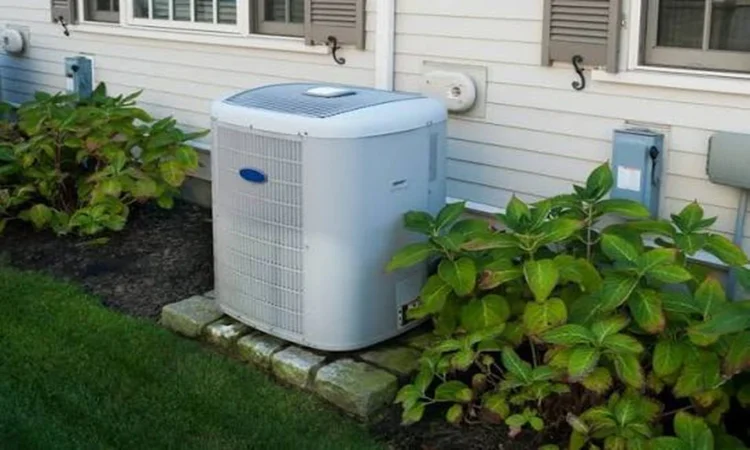

Summers along the northern Wasatch Front are hot, dry, and getting longer. Daytime highs regularly climb into the upper 90s, and the stretch between Memorial Day and mid-September puts real strain on a home’s cooling system. If your current unit is struggling, a replacement is a big decision that deserves more than a quick online search.
Homeowners researching a Layton new ac installation often start with price, but cost is only one piece of the picture. Sizing, efficiency ratings, installation quality, and local climate all shape how well a system performs and how long it lasts. This guide walks through each so you can make the choice with confidence.
You will also find a replacement checklist, a comparison of system types, and answers to common questions.
How to Tell Repair from Replacement
Not every struggling air conditioner is ready for retirement. Consider replacement when several of these apply:
- The system is 12 to 15 years old or older
- Repairs are becoming frequent, or a single repair costs close to half the price of a new unit
- Your cooling bills keep rising even though your habits haven’t changed
- Rooms cool unevenly, or the house never feels truly comfortable on hot afternoons
- The unit uses R-22 refrigerant, which has been phased out and is now costly to obtain
- The compressor is failing, which is usually the most expensive component
If only one item applies, a repair may be enough. If three or more do, replacement likely makes more sense.
Understanding Efficiency Ratings
Air conditioners carry a SEER2 rating, which measures cooling output relative to electricity used over a typical season. The higher the number, the more efficient the unit. SEER2 replaced the older SEER rating in 2023 and uses a more realistic testing method, so the two numbers cannot be compared directly.
The U.S. Department of Energy explains how central systems work, how to size them, and what to look for in its central air conditioning guide. It is a useful reference for understanding the technical terms you will see on quotes.
Higher efficiency costs more upfront, but the savings depend on how heavily you run the system. In a region with long, hot summers, a more efficient unit tends to pay back faster than it would in a mild climate.
Why Sizing Matters More Than Most People Think
Bigger is not better. This is one of the most common and costly misconceptions in home cooling.
An oversized unit cools the air quickly and then shuts off before it has removed much moisture or evenly distributed cool air. This pattern, called short cycling, causes:
- Temperature swings between rooms
- Higher wear on the compressor
- Reduced efficiency
- Poor humidity control during monsoon-season days
An undersized unit has the opposite problem. It runs constantly and still cannot keep up on the hottest days.
The right approach is a Manual J load calculation, a room-by-room analysis that accounts for insulation, window area, orientation, air leakage, and local climate. A reputable installer will perform one rather than relying on square footage alone.
Comparing Cooling Options
| System Type | Best For | Strengths | Trade-offs |
|---|---|---|---|
| Central split AC | Homes with existing ductwork | Whole-home cooling, quiet indoors | Duct leaks reduce efficiency |
| Heat pump | Homeowners wanting heating and cooling in one system | Efficient year-round, qualifies for many incentives | Performance in deep cold varies by model |
| Ductless mini-split | Additions, finished basements, homes without ducts | Zoned control, high efficiency | Higher cost per room |
| Evaporative (swamp) cooler | Dry climates, lower budgets | Low operating cost | Less effective when humidity rises |
| Two-stage or variable-speed AC | Comfort-focused buyers | Better humidity control, quieter, steadier temperatures | Higher purchase price |
Because northern Utah is dry for much of the summer, some homeowners are surprised to learn how well evaporative coolers can perform. Still, a refrigerant-based system gives more consistent results during humid stretches and heavy smoke days when windows must stay closed.
What Happens During a Proper Installation
Even the best equipment underperforms if it is installed poorly. Industry studies have repeatedly found that installation quality affects efficiency as much as the unit itself. A solid installation typically includes:
- A load calculation to size the system correctly
- Duct inspection and sealing, since leaky ducts can waste a significant share of cooled air
- Correct refrigerant charge and line set sizing
- Proper airflow measurement across the evaporator coil
- A level, stable pad and adequate clearance around the outdoor unit
- Thermostat setup and homeowner walkthrough
Ask each contractor to describe how they verify these steps. Vague answers are a warning sign.
Getting the Most from ENERGY STAR
ENERGY STAR-certified central air conditioners must meet efficiency standards above the federal minimum. The program’s central air conditioner page explains the certification criteria and lists qualifying products, which helps when comparing models side by side.
Also check for available rebates and tax incentives. Programs change from year to year, so confirm current offers with your utility and the incentive pages before signing a contract.
Questions to Ask Before You Sign
- Will you perform a load calculation, and can I see the results?
- What are the SEER2 and capacity ratings of the quoted unit?
- What does the warranty cover on parts and labor, and for how long?
- Is duct sealing or repair included?
- Who handles permits and inspections?
- What is the timeline, and how will you protect my home during installation?
Frequently Asked Questions
How long does a central air conditioner last?
Typically 12 to 17 years with regular maintenance. Dusty conditions and heavy use can shorten that.
When is the best time to replace a system?
Spring and fall are ideal. Installers are less rushed, scheduling is easier, and you avoid being without cooling during a heat wave.
Can I replace only the outdoor unit?
Sometimes, but mismatched indoor and outdoor components can reduce efficiency and may void warranties. Ask whether a matched system is recommended.
How much maintenance does a new system need?
Change filters every one to three months, keep the outdoor unit clear of debris, and schedule a professional tune-up each spring.
Will a higher SEER2 rating always save me money?
Not always. Savings depend on usage, home insulation, duct condition, and local electricity rates.
Final Thoughts
Replacing an air conditioner is one of the larger home investments you will make, and the best results come from matching the system to your house rather than chasing the biggest or cheapest option. Focus on correct sizing, sound installation, and realistic efficiency goals. Gather multiple written quotes, ask detailed questions, and take advantage of seasonal timing. A well-chosen system will keep your home comfortable through many hot northern Utah summers.